
Diving into the realm of backpacker travel insurance, this introduction sets the stage for a comprehensive exploration of why this type of insurance is crucial for long-term travelers. Through real-life examples and comparisons, we’ll uncover the significance and benefits of backpacker travel insurance.
Importance of Backpacker Travel Insurance
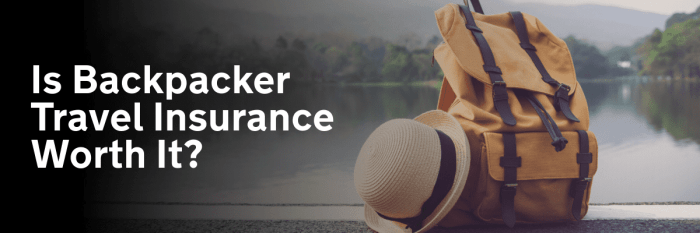
Traveling as a backpacker often involves long-term journeys to various destinations, making backpacker travel insurance essential for ensuring a safe and secure trip. Unlike shorter vacations, backpacking trips can expose travelers to a wide range of risks and uncertainties, making insurance coverage crucial for peace of mind.
Examples of Situations where Backpacker Travel Insurance is a Lifesaver
- Medical Emergencies: In the event of unexpected illness or injury during a backpacking trip, having travel insurance can cover medical expenses, hospital stays, and emergency evacuation, which can be extremely costly without insurance.
- Lost or Stolen Belongings: Backpackers often carry valuable items like cameras, laptops, and passports. Travel insurance can provide coverage for lost or stolen belongings, ensuring that travelers are not left stranded without essential items.
- Trip Cancellation or Interruption: Unforeseen circumstances such as natural disasters, political unrest, or personal emergencies can force backpackers to cancel or cut short their trip. Backpacker travel insurance can help recoup costs associated with canceled flights, accommodations, and activities.
Difference between Regular Travel Insurance and Backpacker Travel Insurance
Regular travel insurance typically covers short-term trips with fixed itineraries, while backpacker travel insurance is designed for longer, more flexible journeys commonly undertaken by backpackers. Backpacker insurance often includes benefits such as extended coverage periods, higher coverage limits, and specific protections tailored to the unique risks faced by backpackers, such as adventure activities and remote destinations.
Coverage Provided
Backpacker travel insurance typically provides coverage for a wide range of scenarios and activities that are common among backpackers. This type of insurance is specifically designed to cater to the unique needs of travelers who embark on extended trips to different destinations.
Medical Expenses
- Coverage for medical emergencies, hospital stays, and outpatient treatments.
- Reimbursement for medical evacuation or repatriation to your home country.
- 24/7 assistance services for medical emergencies.
Trip Cancellation and Interruption
- Reimbursement for non-refundable trip costs if your trip is canceled or interrupted due to unforeseen events.
- Coverage for additional accommodation and transportation expenses incurred due to trip interruptions.
Personal Belongings and Baggage
- Reimbursement for lost, stolen, or damaged luggage and personal belongings.
- Coverage for expenses related to obtaining replacement passports, visas, or travel documents.
Adventure Activities
- Coverage for a wide range of adventure sports and activities such as hiking, scuba diving, and bungee jumping.
- Emergency medical coverage for injuries sustained during adventure activities.
Personal Liability
- Protection against third-party claims for accidental injury or damage caused by you during your trip.
- Legal assistance and coverage for legal expenses in case of liability claims.
Compare Policies
When choosing a backpacker travel insurance policy, it’s essential to compare different options to find one that best suits your needs. Consider factors such as coverage limits, exclusions, deductibles, and additional benefits offered by each policy. Some policies may provide more comprehensive coverage for certain activities or regions, so be sure to read the fine print and understand the terms and conditions before making a decision.
Exclusions and Limitations
When it comes to backpacker travel insurance, it is important to be aware of the exclusions and limitations that may apply to your policy. These are conditions or situations where your insurance coverage may not apply or may have restrictions.Exclusions and limitations are common in backpacker travel insurance policies to protect the insurer from excessive risk and ensure that the policy remains affordable for travelers.
Here are some key points to consider:
Pre-Existing Medical Conditions
One common exclusion in backpacker travel insurance policies is coverage for pre-existing medical conditions. This means that if you have a medical condition that existed before you purchased the insurance, any related treatment or complications may not be covered. It is crucial to disclose all pre-existing conditions when applying for travel insurance to avoid any issues with claims later on.
Coverage for High-Risk Activities
Many standard backpacker travel insurance policies exclude coverage for high-risk activities such as skydiving, bungee jumping, or scuba diving. If you plan to participate in these activities during your trip, you may need to purchase additional coverage or a specialized policy that includes these activities.
Make sure to read the policy documents carefully and clarify any doubts with your insurer to ensure you are adequately covered.
Lost or Stolen Belongings
Another common limitation in backpacker travel insurance is coverage for lost or stolen belongings. Policies may have sub-limits or exclusions for expensive items such as electronics, jewelry, or cameras. To ensure coverage for these items, consider purchasing additional coverage or a policy with higher limits for personal belongings.
Travel to High-Risk Destinations
Some backpacker travel insurance policies may exclude coverage for travel to high-risk destinations or countries with travel advisories. If you plan to visit such destinations, check with your insurer to understand the limitations of your policy and consider purchasing additional coverage if needed.
Adventure Sports and Activities
If you are planning to engage in adventure sports or activities like skiing, snowboarding, or mountain climbing, make sure your policy includes coverage for these activities. Some standard policies may exclude coverage for injuries related to these high-risk activities, so it is essential to check the policy details and add any necessary coverage.
Cost and Value
When it comes to backpacker travel insurance, understanding the cost and value of a policy is crucial for ensuring you have adequate coverage without breaking the bank.
Factors Influencing Cost
- Destination: Some countries may have higher medical costs, which can impact the overall price of the insurance.
- Duration of Trip: The length of your trip can affect the cost, as longer trips may pose a higher risk.
- Age and Health: Younger travelers may pay less for insurance, while pre-existing health conditions could increase the cost.
- Level of Coverage: More comprehensive coverage will come at a higher price.
Finding Affordable Insurance
- Compare Quotes: Shop around and compare quotes from different insurance providers to find the best deal.
- Consider Excess: Opting for a higher excess can lower your premium, but make sure you can afford the excess if you need to make a claim.
- Avoid Unnecessary Coverage: Tailor your policy to your needs to avoid paying for coverage you won’t use.
Determining Value
- Coverage vs. Cost: Evaluate the coverage provided by the policy in relation to the cost to determine if it offers value for money.
- Customer Reviews: Look for feedback from other travelers to assess the reliability and quality of the insurance provider.
- Claim Process: Consider how easy it is to make a claim and how quickly claims are processed when determining value.
Claim Process
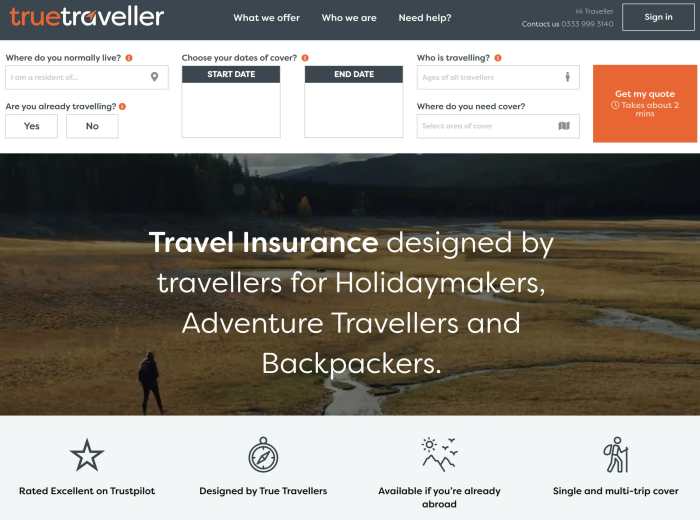
When it comes to making a claim with your backpacker travel insurance, it’s important to understand the steps involved and how to effectively document incidents to ensure a smooth process. Let’s explore some tips on filing claims and common challenges faced by backpackers.
Steps Involved in Making a Claim
- Notify your insurance provider as soon as possible after the incident occurs.
- Complete the claim form with accurate and detailed information about the incident.
- Provide any necessary documentation, such as police reports, medical records, receipts, and proof of ownership for damaged items.
- Cooperate with the insurance company’s investigation process and provide any additional information they may require.
- Wait for the claim to be processed and approved, and receive the compensation accordingly.
Tips for Documenting Incidents and Filing Claims Effectively
- Take photos or videos of the incident and any damages or injuries as soon as possible.
- Keep all receipts, invoices, and documentation related to expenses incurred as a result of the incident.
- Submit your claim promptly and follow up with the insurance company if you don’t hear back within a reasonable timeframe.
- Keep a record of all communication with the insurance company regarding your claim.
- Seek assistance from a local authority or embassy if you encounter challenges in documenting or filing your claim.
Common Challenges Faced by Backpackers When Filing Insurance Claims
- Language barriers can make it difficult to communicate effectively with the insurance company.
- Lack of understanding of the claims process and requirements may lead to incomplete or inaccurate submissions.
- Delays in processing claims or disputes over coverage can cause frustration and financial strain.
- Cultural differences in expectations regarding insurance coverage and compensation may result in misunderstandings.
- Limited access to resources or support in foreign countries can hinder the ability to gather necessary documentation for the claim.
Final Review
In conclusion, backpacker travel insurance serves as a safety net for globetrotters, offering peace of mind and protection during their adventures. By understanding the coverage, exclusions, costs, and claims process, travelers can embark on their journeys with confidence.
Popular Questions
What does backpacker travel insurance typically cover?
Backpacker travel insurance usually covers medical emergencies, trip cancellations, baggage loss, and personal liability. It may also include coverage for adventurous activities.
Is backpacker travel insurance more expensive than regular travel insurance?
Backpacker travel insurance can be pricier due to the extended coverage for long-term travel and adventurous activities. However, it provides tailored protection for backpackers’ specific needs.
How can pre-existing medical conditions impact backpacker travel insurance coverage?
Pre-existing medical conditions may lead to exclusions or limitations in coverage. It’s crucial to disclose all medical history to ensure proper coverage and avoid claim denials.
What are some high-risk activities often excluded from standard backpacker travel insurance policies?
Activities like skydiving, scuba diving, and mountaineering are typically excluded from standard policies. Specialized coverage may be required for these activities.