
Exploring the realm of affordable health insurance plans, this comprehensive guide aims to shed light on the intricacies of choosing the right plan to suit your needs. From understanding the different types to delving into factors affecting costs, this guide covers it all in a manner that is both informative and engaging.
Introduction to Affordable Health Insurance Plans
Affordable health insurance plans are insurance policies that offer coverage at a lower cost compared to traditional health insurance plans. These plans are designed to make healthcare more accessible and affordable for individuals and families.Having access to affordable health insurance is crucial for ensuring that people can receive the necessary medical care without facing financial hardship.
It provides a safety net in case of unexpected illnesses or injuries, allowing individuals to seek treatment without worrying about exorbitant medical bills.Affordable health insurance plans differ from traditional plans in terms of cost and coverage. While traditional plans may have higher premiums and out-of-pocket expenses, affordable plans are structured to be more budget-friendly while still offering essential benefits.
These plans often have lower deductibles and copayments, making healthcare more affordable for those who may not be able to afford more comprehensive coverage.
Types of Affordable Health Insurance Plans
Affordable health insurance plans come in various types, each with its own coverage, limitations, and benefits.
Health Maintenance Organization (HMO)
An HMO plan requires members to choose a primary care physician and obtain referrals to see specialists. While HMOs typically have lower out-of-pocket costs and premiums, they have limited provider networks.
Preferred Provider Organization (PPO)
PPO plans offer more flexibility in choosing healthcare providers without requiring referrals. Although PPOs have higher premiums and out-of-pocket costs compared to HMOs, they provide coverage for out-of-network care at a higher cost.
High-Deductible Health Plan (HDHP)
HDHPs have lower premiums but higher deductibles compared to other plans. They are often paired with Health Savings Accounts (HSAs) to help individuals save for healthcare expenses tax-free. HDHPs are suitable for those who are generally healthy and don’t require frequent medical care.
Exclusive Provider Organization (EPO)
EPO plans combine aspects of both HMOs and PPOs by offering a network of preferred providers without requiring referrals for specialists. However, EPOs do not cover out-of-network care except in emergencies.
Short-Term Health Insurance
Short-term health insurance plans provide temporary coverage for individuals between jobs or waiting for other coverage to begin. They offer limited benefits and are not required to comply with Affordable Care Act regulations.
Catastrophic Health Insurance
Catastrophic health insurance is designed to provide coverage for severe medical emergencies and high-cost procedures. These plans have low premiums but high deductibles and are typically available to individuals under 30 or those with a hardship exemption.
Factors Affecting the Cost of Affordable Health Insurance Plans

When it comes to determining the cost of affordable health insurance plans, several key factors come into play. Factors such as age, location, lifestyle choices, and pre-existing conditions can significantly impact the cost of insurance premiums. Additionally, the choice of a higher deductible can also affect the overall affordability of health insurance plans.
Age
Age is a major factor that influences the cost of health insurance. Generally, younger individuals tend to pay lower premiums compared to older individuals. This is because younger individuals are typically healthier and have fewer pre-existing conditions, resulting in lower healthcare costs.
Location
The location where you reside can also affect the cost of health insurance. Urban areas tend to have higher healthcare costs compared to rural areas, which can result in higher insurance premiums. Factors such as access to healthcare facilities and the overall cost of living in a particular area can impact insurance rates.
Lifestyle Choices
Lifestyle choices, such as smoking, excessive drinking, or engaging in high-risk activities, can lead to higher healthcare costs. Insurers may charge higher premiums to individuals with unhealthy habits due to the increased likelihood of needing medical treatment. Making healthier lifestyle choices can help reduce insurance costs.
Pre-existing Conditions
Individuals with pre-existing conditions may face higher insurance premiums due to the increased risk of needing medical care. Insurance companies may charge more to cover the potential costs associated with managing these conditions. It’s essential to disclose any pre-existing conditions when applying for health insurance to ensure you receive the appropriate coverage.
Choosing a Higher Deductible
Opting for a higher deductible can lower your monthly insurance premiums but may result in higher out-of-pocket costs when you need medical care. A deductible is the amount you must pay out of pocket before your insurance coverage kicks in.
While a higher deductible can make insurance more affordable upfront, it’s important to consider whether you can cover the higher out-of-pocket costs in the event of a medical emergency.
How to Find Affordable Health Insurance Plans
Finding the right affordable health insurance plan can be a daunting task, but with the right approach, you can make an informed decision that meets your needs and budget.
Comparing Different Affordable Health Insurance Plans
- Start by assessing your healthcare needs and budget constraints to determine the type of coverage you require.
- Research different insurance providers and compare the plans they offer, paying attention to premiums, deductibles, and coverage benefits.
- Use online comparison tools and calculators to evaluate different plans side by side and determine which one offers the best value for your specific situation.
- Consider reaching out to insurance brokers or agents who can help you navigate the complexities of various plans and find the most affordable option.
Resources for Finding Affordable Health Insurance Plans
- Visit the official Health Insurance Marketplace website to explore different plans available under the Affordable Care Act and see if you qualify for subsidies or tax credits.
- Check out state-specific health insurance websites that provide information on local insurance options and resources for assistance.
- Utilize online platforms and forums where individuals share their experiences and recommendations regarding affordable health insurance plans.
Understanding Plan Terms and Coverage
Before committing to a specific affordable health insurance plan, it’s crucial to thoroughly understand the terms and coverage details to avoid any surprises down the line.
- Review the plan’s summary of benefits and coverage document to grasp what medical services are included and what costs you may be responsible for.
- Pay attention to terms like premiums, deductibles, copayments, coinsurance, and out-of-pocket maximums to have a clear picture of your financial obligations.
- Reach out to the insurance provider or customer service representative if you have any questions or need clarification on specific aspects of the plan.
Benefits of Affordable Health Insurance Plans
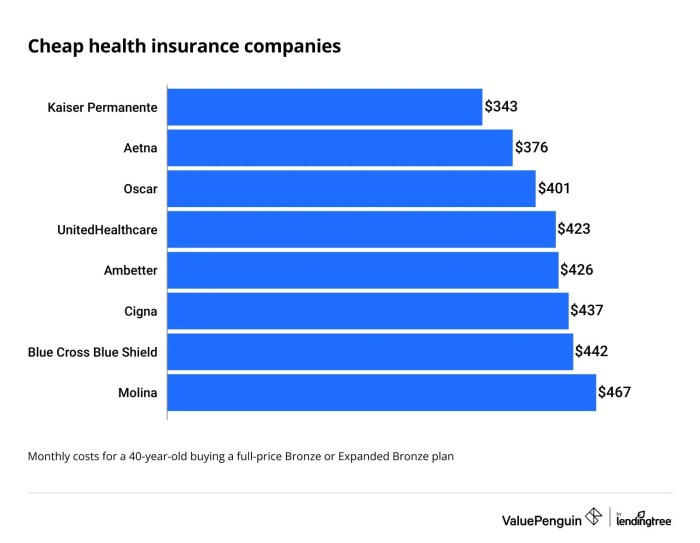
Affordable health insurance plans offer a range of benefits that can significantly impact an individual’s financial and overall well-being. These plans provide access to necessary medical care at a reasonable cost, ensuring individuals can prioritize their health without facing exorbitant expenses.
Cost Savings on Medical Expenses
- Affordable health insurance plans typically cover a portion of medical costs, including doctor visits, prescription medications, and hospital stays, reducing the financial burden on individuals.
- With lower out-of-pocket expenses, individuals can seek timely medical treatment without worrying about the cost, leading to better health outcomes in the long run.
- Preventive services, such as screenings and vaccinations, are often covered by affordable health insurance plans, promoting early detection of health issues and preventing more costly treatments later on.
Peace of Mind and Security
- Having affordable health insurance coverage provides individuals with peace of mind, knowing that they are protected in case of unexpected illness or injury.
- In the event of a medical emergency, individuals with health insurance can receive necessary treatment without incurring overwhelming medical bills that could lead to financial strain.
- Access to affordable health insurance plans ensures that individuals can focus on their health and well-being without the constant worry of how they will afford medical care.
Ultimate Conclusion
As we conclude our journey through affordable health insurance plans, it becomes evident that securing the right plan is not just about affordability but also about peace of mind and financial security. This guide serves as a compass to navigate the complex world of health insurance, ensuring you make an informed decision for a healthier future.
Key Questions Answered
What factors impact the cost of affordable health insurance plans?
The cost of affordable health insurance plans can be influenced by various factors such as age, location, lifestyle choices, and pre-existing conditions.
How can I find the most suitable affordable health insurance plan?
To find the right plan, compare different options, utilize resources and websites for guidance, and ensure you understand the terms and coverage before making a decision.
What are the benefits of having an affordable health insurance plan?
Having an affordable health insurance plan can help individuals save money on medical expenses, provide peace of mind, and ensure access to necessary healthcare services.