
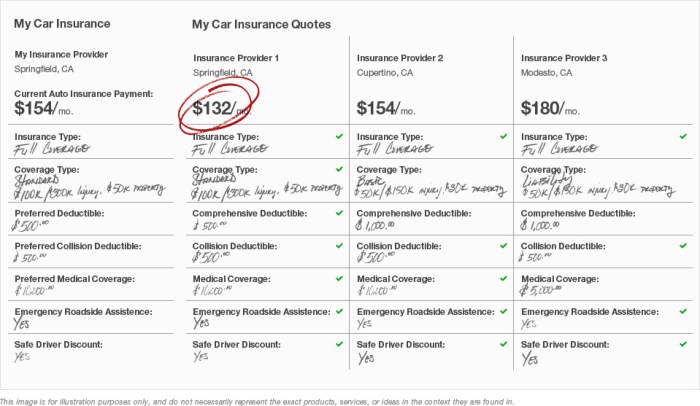
Exploring the world of auto insurance comparison, this guide aims to provide a comprehensive overview of the topic. Whether you’re a seasoned driver looking to switch policies or a new driver navigating the world of insurance, understanding how to compare auto insurance plans is essential.
Let’s delve into the key aspects of auto insurance comparison to help you make informed decisions.
Importance of Auto Insurance Comparison

When it comes to auto insurance, comparing different plans is essential to ensure you are getting the best coverage at the most competitive price. By taking the time to compare auto insurance policies, you can save money and secure better protection for yourself and your vehicle.
Key Factors to Consider When Comparing Auto Insurance Policies
- Coverage Options: Look at the types of coverage offered by each policy, such as liability, collision, comprehensive, and uninsured/underinsured motorist coverage.
- Cost: Compare premiums, deductibles, and any discounts available to determine the overall cost of each policy.
- Customer Service: Research the reputation of the insurance companies in terms of customer service, claims processing, and responsiveness.
- Policy Exclusions: Check for any exclusions or limitations in the policy that may impact your coverage in certain situations.
How Auto Insurance Comparison Can Help Save Money and Get Better Coverage
- Cost Savings: By comparing different auto insurance plans, you can find the most affordable option that still provides adequate coverage for your needs.
- Better Coverage: Through comparison, you can identify policies that offer additional benefits or higher coverage limits to better protect you in case of accidents or other unforeseen events.
- Premium Discounts: Some insurance companies offer discounts for various reasons, such as safe driving records, bundling policies, or completing driver safety courses. By comparing options, you can take advantage of these discounts to lower your premiums.
Types of Auto Insurance Coverage
Auto insurance coverage comes in various types, each serving a different purpose to protect you and your vehicle in different situations. It is important to understand these different types of coverage to ensure you have the right protection for your needs.
Comprehensive Coverage
Comprehensive coverage provides protection for damage to your vehicle that is not caused by a collision. This can include theft, vandalism, natural disasters, and more. For example, if your car is stolen or damaged by a hailstorm, comprehensive coverage would help cover the cost of repairs or replacement.
Liability Coverage
Liability coverage helps cover costs associated with injuries or property damage to others in an accident where you are at fault. This type of coverage is typically required by law and helps protect you from financial loss in case of a lawsuit.
For instance, if you rear-end another vehicle and the driver sustains injuries, liability coverage would help cover their medical expenses and vehicle repairs.
Collision Coverage
Collision coverage helps pay for repairs to your vehicle in the event of a collision with another vehicle or object. This coverage is particularly useful if you are involved in a single-car accident or if you collide with another vehicle.
For example, if you accidentally hit a tree and damage your car, collision coverage would help cover the cost of repairs.
Uninsured/Underinsured Motorist Coverage
Uninsured/underinsured motorist coverage protects you in case you are involved in an accident with a driver who does not have insurance or does not have enough insurance to cover your damages. This coverage can help pay for medical expenses, lost wages, and vehicle repairs.
For instance, if you are hit by an uninsured driver and sustain injuries, uninsured/underinsured motorist coverage would help cover your medical bills.
Personal Injury Protection (PIP)
Personal Injury Protection (PIP) coverage provides medical expenses and lost wages for you and your passengers in the event of an accident, regardless of who is at fault. This coverage is particularly beneficial for covering immediate medical expenses and can also help with rehabilitation costs.
For example, if you are injured in a car accident and require immediate medical attention, PIP coverage would help cover the cost of your medical treatment.
Factors Affecting Auto Insurance Rates
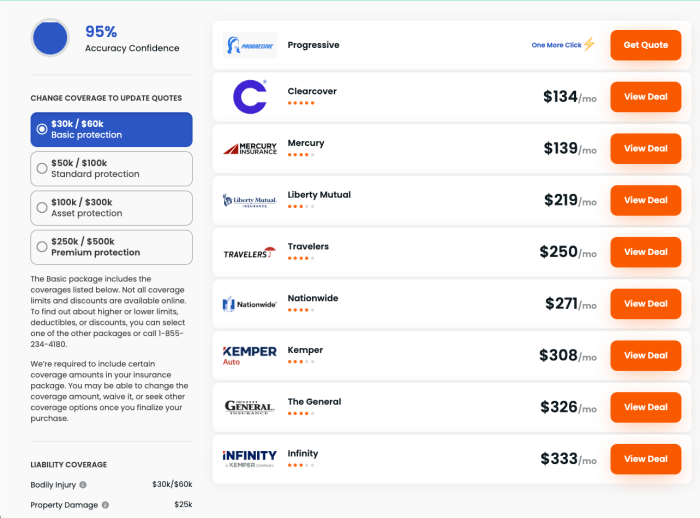
When comparing auto insurance quotes, it’s crucial to understand the various factors that can influence insurance rates. Factors such as age, driving record, location, and type of vehicle all play a significant role in determining how much you will pay for auto insurance coverage.
Age
Age is a key factor that insurance companies consider when determining auto insurance rates. Younger drivers, especially teenagers, are typically charged higher premiums due to their lack of driving experience and higher likelihood of being involved in accidents. On the other hand, older drivers may also face higher rates as they are considered to have slower reflexes and potential health issues that could impact their driving abilities.
Driving Record
One’s driving record is another crucial factor that affects auto insurance rates. A clean driving record with no accidents or traffic violations will generally result in lower premiums, as it indicates responsible driving behavior. On the other hand, a history of accidents, speeding tickets, or DUIs can lead to significantly higher insurance costs.
Location
Where you live can also impact your auto insurance rates. Urban areas with higher traffic congestion and crime rates tend to have higher insurance premiums compared to rural areas. Additionally, states with no-fault insurance laws or high rates of uninsured drivers may also result in higher insurance costs.
Type of Vehicle
The type of vehicle you drive can also influence your auto insurance rates. Insurance companies take into account factors such as the make and model of your car, its safety features, and its likelihood of being stolen when determining premiums.
Expensive luxury cars or sports cars generally have higher insurance rates compared to more affordable and safer vehicles.
Steps to Compare Auto Insurance Quotes
When looking to compare auto insurance quotes, it’s essential to follow a systematic approach to ensure you are getting the best coverage at the most competitive rates. Here is a step-by-step guide on how to compare auto insurance quotes effectively.
1. Gather Information
Before you start comparing auto insurance quotes, make sure you have all the necessary information handy. This includes details about your vehicle, driving history, and the coverage you are looking for.
2. Research Reliable Sources
To obtain accurate and reliable quotes, it is crucial to look for reputable sources. Consider reaching out to insurance companies directly, using online comparison tools, or consulting with insurance brokers.
3. Compare Coverage Options
When comparing auto insurance quotes, pay close attention to the coverage options offered by different insurance providers. Consider factors like liability coverage, collision coverage, comprehensive coverage, and any additional benefits.
4. Review Costs and Discounts
Look beyond the premium costs when comparing auto insurance quotes. Consider any available discounts, deductibles, and payment options that can impact the overall affordability of the insurance plan.
5. Check Customer Reviews
Before making a decision, take the time to research customer reviews and ratings of the insurance providers you are considering. This can give you valuable insights into the quality of service and claims process.
6. Seek Clarifications
If you have any questions or need clarification about the coverage details, discounts, or terms of the policy, don’t hesitate to reach out to the insurance provider directly. Clear communication is key to making an informed decision.
7. Make an Informed Decision
After comparing auto insurance quotes from different sources, carefully evaluate your options and choose the plan that best meets your needs and budget. Remember, the cheapest option may not always provide the most comprehensive coverage.
8. Review and Update Regularly
Once you have selected an auto insurance plan, make it a habit to review and update your coverage regularly. Life circumstances and driving habits can change, so it’s important to ensure you have adequate protection at all times.
Benefits of Using Online Tools for Auto Insurance Comparison
When it comes to comparing auto insurance options, utilizing online tools can offer numerous benefits. These tools can simplify the comparison process, provide a wealth of information, and ultimately help individuals make well-informed decisions regarding their coverage needs.
Convenience and Time-Saving
- Online tools allow users to compare multiple auto insurance quotes from different providers quickly and conveniently, saving time that would otherwise be spent contacting each insurer individually.
- Users can access these tools at any time of the day, making it easier to fit insurance comparison into their busy schedules.
Access to a Wide Range of Options
- By using online tools, individuals can explore a variety of auto insurance coverage options from different companies, giving them a comprehensive view of what is available in the market.
- These tools often provide detailed information about the coverage benefits, limits, and exclusions, helping users make a more informed decision based on their specific needs.
Cost-Effective Comparison
- Online tools can help users identify cost-effective auto insurance options that meet their budget requirements without compromising on coverage quality.
- Individuals can easily compare premiums, deductibles, and discounts offered by various insurers to find the most competitive rates.
Transparency and Education
- Online tools promote transparency by providing clear and detailed information about auto insurance policies, terms, and conditions, empowering users to understand the coverage they are purchasing.
- These tools often include educational resources, FAQs, and customer reviews to help users gain a better understanding of auto insurance and make informed choices.
Summary
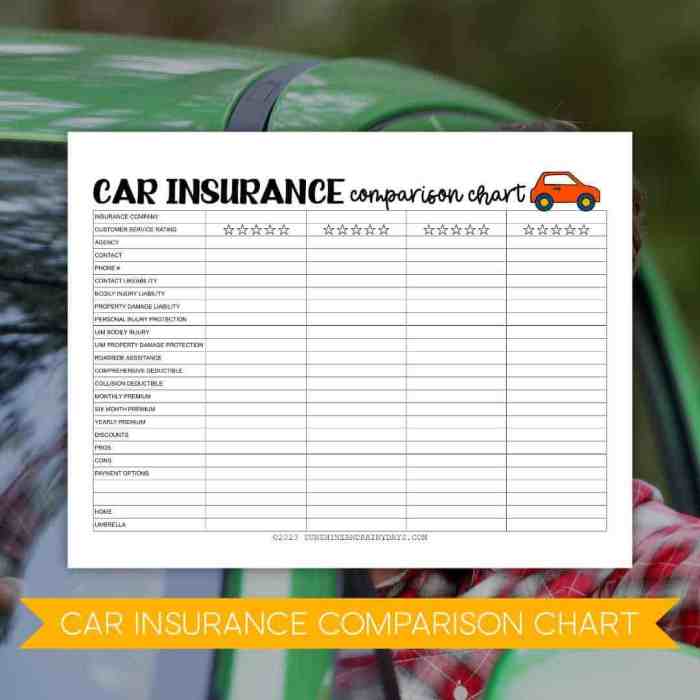
In conclusion, auto insurance comparison is a valuable tool that can help you find the best coverage at the most competitive rates. By understanding the importance of comparing policies, types of coverage available, factors affecting rates, and how to effectively compare quotes, you can make the right choice for your insurance needs.
Start comparing today and secure the best auto insurance for your vehicle.
FAQ Explained
Why is auto insurance comparison important?
Comparing auto insurance plans is crucial to ensure you get the best coverage at the most competitive rates. It helps you understand your options and make informed decisions.
What factors should I consider when comparing auto insurance policies?
Key factors to consider include coverage options, deductibles, limits, exclusions, and the reputation of the insurance provider.
How can auto insurance comparison help save money?
By comparing quotes from different insurers, you can identify cost-effective options and potentially save money on your premiums.