
Exploring the realm of homeowners insurance opens up a world of protection and security for your beloved abode. From understanding the nuances of coverage to unraveling the mysteries of premiums, this guide is your compass in the vast landscape of insurance options.
Delve deeper into the intricacies of homeowners insurance below to make informed decisions and safeguard your home with confidence.
Importance of Homeowners Insurance
![Top 10 Best Home Insurance Companies Rates [The Truth]](https://travels.harianhaluan.id/wp-content/uploads/2026/01/Top-10-Best-Home-Insurance-Companies-Rates.png "Top 10 Best Home Insurance Companies Rates [The Truth]")
Homeowners insurance is a crucial safeguard for protecting your home and personal belongings from unforeseen events and disasters. It provides financial protection in case of damage, theft, or liability issues that may arise.
Types of Coverage in Homeowners Insurance
- Property Coverage: This type of coverage helps repair or replace your home and personal belongings in case of damage or loss due to covered perils like fire, theft, or vandalism.
- Liability Coverage: Protects you in case someone is injured on your property and covers legal fees if you are sued for damages.
- Additional Living Expenses: Covers the cost of temporary accommodation if your home becomes uninhabitable due to a covered event.
Scenarios Where Homeowners Insurance is Beneficial
- If your home is damaged by a natural disaster like a hurricane or tornado, homeowners insurance can help cover the cost of repairs.
- In case of theft or vandalism, homeowners insurance can provide compensation for stolen or damaged belongings.
- If someone is injured on your property and sues you for medical expenses, liability coverage can help cover legal fees and settlement costs.
Factors to Consider When Choosing the Best Homeowners Insurance
When selecting the best homeowners insurance policy, there are several key factors to consider to ensure you have adequate coverage and peace of mind.
Coverage Limits, Deductibles, and Premiums
- Consider the coverage limits offered by the insurance policy to ensure they are sufficient to protect your home and belongings in case of damage or loss.
- Evaluate the deductible amount, which is the out-of-pocket expense you will need to pay before your insurance coverage kicks in. Choose a deductible that you can comfortably afford.
- Compare the premiums of different insurance providers to find a policy that offers the best value for the coverage provided.
Reputation and Financial Stability of Insurance Companies
- Research the reputation of insurance companies by checking customer reviews, ratings, and complaints to gauge their reliability and customer satisfaction.
- Assess the financial stability of insurance companies by reviewing their financial strength ratings from independent rating agencies. A financially stable insurer is more likely to honor claims and provide timely payments.
Level of Customer Service and Claims Process
- Consider the level of customer service provided by insurance companies, including their responsiveness to inquiries, ease of communication, and willingness to help policyholders.
- Review the claims process of different insurers to determine how quickly and efficiently they handle claims. A smooth and hassle-free claims process is essential during stressful times.
Types of Coverage Offered by Homeowners Insurance
When it comes to homeowners insurance, there are various types of coverage options available to protect your home, belongings, and finances in case of unexpected events.
Dwelling Coverage
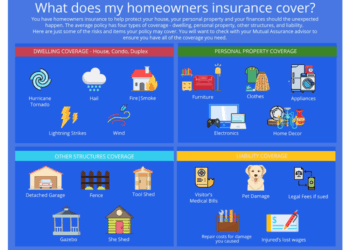
Dwelling coverage is the most basic type of homeowners insurance and covers the structure of your home in case of damage from covered perils such as fire, windstorm, or vandalism. This coverage typically includes the walls, roof, floors, and built-in appliances.
Personal Property Coverage
Personal property coverage protects your belongings inside the home, such as furniture, clothing, electronics, and other personal items. This coverage helps replace or repair your belongings if they are damaged or stolen.
Liability Protection
Liability protection covers you in case someone is injured on your property and you are found legally responsible. This coverage can help pay for medical expenses, legal fees, and damages awarded in a lawsuit.
Additional Coverage Options
In addition to the basic coverage options, homeowners insurance also offers additional coverage for specific risks:
- Flood Insurance:Protects your home and belongings from damage caused by flooding, which is not typically covered by standard homeowners insurance.
- Earthquake Insurance:Provides coverage for damage to your home and belongings caused by earthquakes, which are also usually not covered by standard policies.
- Identity Theft Protection:Helps cover the costs associated with recovering your identity and repairing any damage caused by identity theft.
Examples of Situations Where Specific Coverage Would be Beneficial
- If you live in an area prone to flooding, having flood insurance can help protect your home and belongings from water damage.
- For homeowners in earthquake-prone regions, earthquake insurance can provide peace of mind knowing that their property is covered in case of a seismic event.
- Identity theft protection can be beneficial for anyone concerned about the increasing risk of identity theft and the potential financial repercussions.
Tips for Saving Money on Homeowners Insurance

When it comes to homeowners insurance, finding ways to save money on premiums can be a smart financial move. Here are some tips to help you lower your homeowners insurance costs without sacrificing coverage.
Bundling Policies and Increasing Deductibles
One effective way to save money on homeowners insurance is by bundling your policies. Many insurance companies offer discounts if you purchase multiple policies, such as auto and home insurance, from them. By bundling your policies, you can enjoy significant savings on both premiums.Another strategy to consider is increasing your deductibles.
A deductible is the amount you pay out of pocket before your insurance coverage kicks in. By opting for a higher deductible, you can lower your premiums. Just make sure you have enough savings set aside to cover the deductible in case you need to make a claim.
Impact of Home Security Systems and Safety Features
Installing home security systems, smoke detectors, and other safety features in your home can also help reduce your homeowners insurance costs. Insurance companies view these safety measures positively as they lower the risk of damage or theft, resulting in lower premiums for you.
Make sure to inform your insurance provider about any safety features you have installed to potentially qualify for discounts.
Maintaining a Good Credit Score
Believe it or not, your credit score can impact your homeowners insurance rates. Insurance companies often use credit-based insurance scores to determine premiums, with a higher credit score typically leading to lower rates. To save money on homeowners insurance, focus on maintaining a good credit score by paying bills on time, keeping credit card balances low, and monitoring your credit report for any errors that need to be corrected.
Last Recap
As we reach the end of this insightful journey into homeowners insurance, remember that knowledge is your shield against uncertainties. Armored with the information shared here, you’re equipped to navigate the realm of insurance with wisdom and assurance.
Questions and Answers
What does homeowners insurance typically cover?
Homeowners insurance usually covers damage to your home, personal belongings, liability protection, and additional living expenses in case of displacement.
How do I determine the right coverage limits for my home?
Consider factors like the value of your home, personal belongings, and potential liability risks to determine the appropriate coverage limits for your homeowners insurance.
Is flood insurance included in standard homeowners insurance?
No, flood insurance is usually not included in standard homeowners insurance. It’s a separate policy that you may need to purchase if you live in a flood-prone area.
Can I save money on homeowners insurance by installing security systems?
Yes, installing security systems like alarms and cameras can often lead to discounts on your homeowners insurance premiums due to the reduced risk of theft or damage.
How does my credit score impact my homeowners insurance rates?
A good credit score can help lower your homeowners insurance rates as it indicates financial responsibility, making you less risky to insure.