
Delve into the realm of homeowners insurance companies as we uncover the intricacies of coverage, premiums, and more. Get ready to explore the world of insurance with a fresh perspective and valuable insights.
Overview of Homeowners Insurance Companies
When it comes to the housing market, homeowners insurance companies play a crucial role in providing financial protection to homeowners in the event of unexpected damages or losses to their property. These companies offer a variety of coverage options to help homeowners safeguard their investment and belongings.
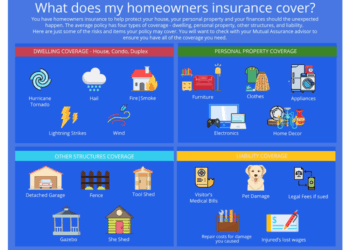
Types of Coverage Offered
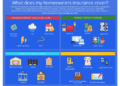
- Property Coverage: This includes protection for the physical structure of the home and other structures on the property, such as a garage or shed.
- Liability Coverage: This helps cover legal expenses in case someone is injured on your property and decides to sue.
- Personal Property Coverage: This includes coverage for belongings inside the home, such as furniture, electronics, and clothing.
Premium Determination
Homeowners insurance companies determine premiums based on various factors, including the location of the property, the age and condition of the home, the coverage options selected, and the policyholder’s claims history. Premiums can also be affected by the deductible amount chosen by the policyholder.
Comparison of Companies
| Company | Coverage Options | Pricing |
|---|---|---|
| Company A | Offers a wide range of coverage options, including additional endorsements for specific needs. | Competitive pricing with discounts for bundling policies. |
| Company B | Focuses on customizable coverage options tailored to individual needs. | Higher pricing but offers more flexibility in coverage selection. |
Factors to Consider When Choosing a Homeowners Insurance Company
When selecting a homeowners insurance company, there are several key factors that homeowners should consider to ensure they are getting the best coverage and service possible. Factors such as financial stability, customer service, reputation, and research play a crucial role in making an informed decision.
Financial Stability
It is essential to choose an insurance company with a strong financial standing to guarantee they can fulfill their obligations in case of a claim. Look for companies with high credit ratings and a solid financial track record to ensure your claims will be paid promptly and in full.
Customer Service
Good customer service is vital when dealing with insurance companies. Choose a company that is responsive, helpful, and easy to reach when you have questions or need assistance. Read reviews and ask for recommendations to gauge the level of customer service provided by different insurers.
Reputation
The reputation of an insurance company can greatly impact policyholders. A company with a good reputation is more likely to provide reliable coverage, efficient claims processing, and excellent customer service. Research the reputation of different insurers through online reviews, ratings, and customer feedback.
Research and Comparison
Take the time to research and compare different homeowners insurance companies before making a decision. Obtain quotes from multiple insurers, review coverage options, deductibles, and policy terms. Consider factors such as discounts, bundling options, and additional coverage offerings to find the best fit for your needs.
Common Claims Process with Homeowners Insurance Companies
When faced with damage or loss to their property, homeowners often turn to their insurance company to file a claim and receive compensation. Understanding the typical steps involved in the claims process can help policyholders navigate the system more effectively and expedite their claim.
Steps in Filing a Claim
- Contact Your Insurance Company: Notify your insurance company as soon as possible after the damage occurs. Provide them with all relevant details and documentation.
- Schedule an Inspection: The insurance company will typically send an adjuster to assess the damage and determine the extent of coverage.
- Receive Estimate: After the inspection, you will receive an estimate of the damage and the compensation you are entitled to.
- Approval and Payment: Once the claim is approved, the insurance company will issue payment for the repairs or replacement of your property.
Expediting the Claims Process
- Document Everything: Keep detailed records of the damage, including photos and receipts for repairs or replacements.
- Stay in Communication: Follow up with your insurance company regularly to ensure the process is moving forward.
- Work with Reputable Contractors: Choosing reputable contractors for repairs can help speed up the process and avoid delays.
Common Reasons for Claim Denials
- Lack of Coverage: Some damages may not be covered under your policy, leading to a denial of the claim.
- Late Reporting: Failing to report the damage promptly can result in a denial of the claim.
- Policy Violations: Not following the terms and conditions of your policy can lead to a denial of the claim.
Appealing a Claim Denial
- Review Your Policy: Understand the reasons for the denial and check if they align with your policy coverage.
- Provide Additional Documentation: Submit any additional evidence or documentation that supports your claim.
- Seek Legal Advice: If necessary, consult with a legal professional to help you appeal the denial.
Successful Claim Experiences
“After a tree fell on my roof during a storm, my insurance company quickly processed my claim and provided me with the funds needed for repairs. Their efficiency and professionalism made a stressful situation much easier to handle.”
John, Homeowner
Technology and Innovation in Homeowners Insurance Companies
Technology has significantly impacted the operations of homeowners insurance companies, leading to improved services and customer experiences. The adoption of smart home devices and data analytics has revolutionized the way insurance companies assess risks, determine premiums, and handle claims. Digital platforms have made it easier for policyholders to interact with their insurance providers, streamlining processes and enhancing overall efficiency.
Smart Home Devices and Data Analytics
The integration of smart home devices, such as security cameras, smoke detectors, and water sensors, allows homeowners insurance companies to monitor potential risks in real-time. Data analytics help in analyzing this information to identify patterns and trends, enabling insurers to offer personalized coverage and preventive measures.
Digital Platforms for Customer Interaction
Insurance companies have developed user-friendly digital platforms for policyholders to manage their accounts, file claims, and access important documents online. This has simplified the communication process and provided customers with instant support and assistance whenever needed.
Innovative Solutions for Customer Experience
- Virtual home inspections using augmented reality technology to assess property condition and potential risks remotely.
- Usage-based insurance policies that offer discounts to homeowners based on their actual behaviors and habits.
- Automated claims processing with AI algorithms for faster and more accurate settlement of claims.
- Predictive analytics to anticipate future risks and provide proactive solutions to policyholders.
Final Summary

In conclusion, navigating the landscape of homeowners insurance companies can be complex, but armed with the right knowledge, you can make informed decisions to protect your home and assets. Take charge of your insurance journey with confidence and peace of mind.
Essential Questionnaire
What factors should homeowners consider when choosing an insurance company?
Homeowners should consider factors such as coverage options, pricing, financial stability, customer service, and the reputation of the insurance company.
How do homeowners insurance companies determine premiums?
Premiums are determined based on factors like the location of the home, its age, construction, coverage limits, deductible chosen, and the policyholder’s claims history.
What are common reasons for claim denials by homeowners insurance companies?
Common reasons for claim denials include lack of coverage for the specific peril, failure to meet policy conditions, and filing claims for pre-existing damages.